

The Tiny, Toxic Roommate You Didn’t Know You Needed
Ever feel like your life is missing something? Maybe it’s the pitter-patter of tiny feet, the serene glow of a terrarium, or, hey, a little splash of rainforest flair. Enter the Phyllobates bicolor—otherwise known as the bicolored dart frog—a pint-sized wonder with a vibrant personality (and skin that could kill you…if you were a small rainforest predator). Luckily, when bred in captivity, these frogs are as harmless as they are entertaining. So, could the Phyllobates bicolor be your next unconventional pet? Here’s everything you need to know to decide if you're ready to bring this tiny daredevil into your life.
Meet the Phyllobates Bicolor: Nature’s Neon Sign
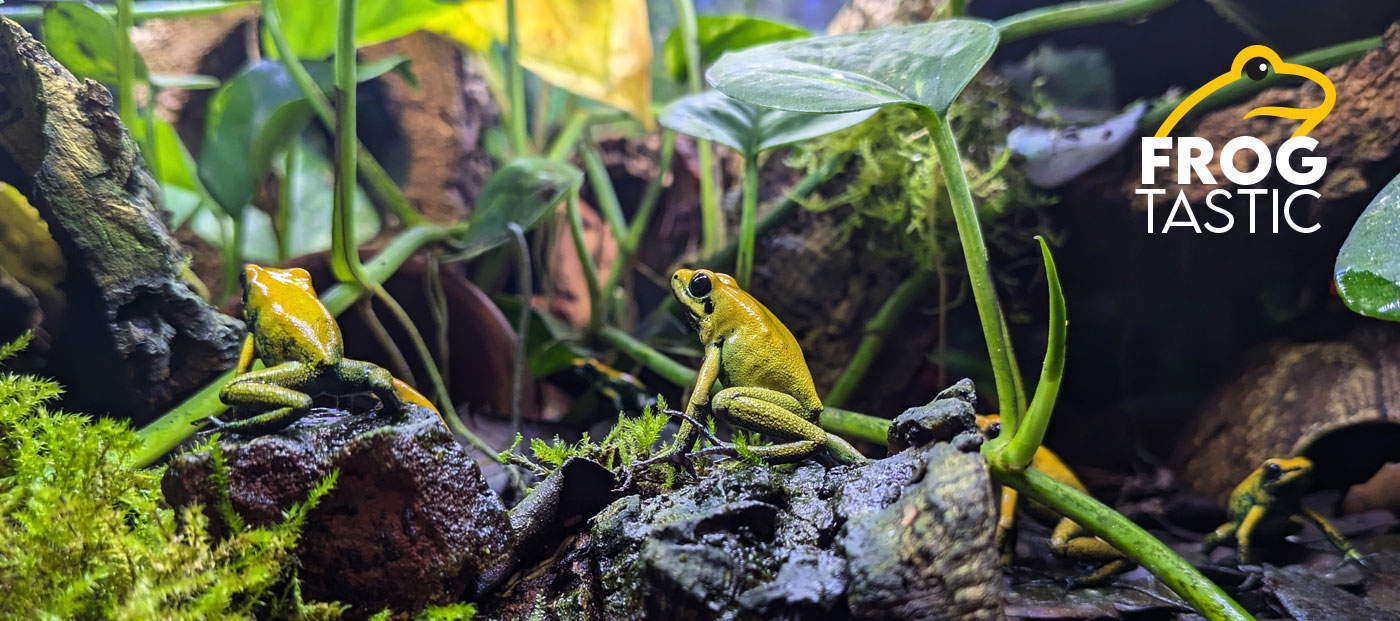
Imagine a frog that comes in highlighter yellow, traffic-cone orange, or "You’ll Never Lose Me in the Rainforest" green. The Phyllobates bicolor isn’t shy about standing out. In the wild, these colors are a big "DO NOT EAT ME" to would-be predators. And hey, who doesn’t love a frog with confidence?
But don’t worry—this little buddy loses its toxic edge in captivity. Without its diet of exotic jungle bugs, it’s as harmless as the lemon it resembles. So, no need to worry about becoming the subject of a true-crime frog documentary.
Housing: This Frog Needs a Mansion (Well, a Terrarium)
Phyllobates bicolor may be small, but it likes its creature comforts. Think of the tank as its personal luxury apartment. You’ll need about 20 gallons of real estate, complete with tropical vibes, misty humidity, and more plants than a millennial's living room.
Temperature: Set the thermostat to a comfortable 72-75°F. Think Miami in frog terms.
Humidity 85-100%: These guys don’t like dry air, so mist often. Pro tip: it’s like having a pet that loves hot yoga.
Décor: Add some leafy greens and cozy hiding spots to make your frog feel like it’s back in the wild (minus the predators, of course).
Feeding: Phyllobates Bicolor’s Menu is…Buzzing
Forget pet food pellets; this frog wants live insects! Its diet consists mainly of teeny-tiny critters like fruit flies and pinhead crickets, which is great…unless you’re not keen on keeping a mini-bug farm. On the upside, it’s a fantastic excuse to avoid hosting dinners (“Sorry, I keep fruit flies in my kitchen…”).
Feed them a 4 -5 times a week, and don’t forget the calcium and vitamin sprinkle each feeding. Yes, even frogs have dietary supplements these days.
Hands Off: Phyllobates Bicolor is for Admiring, Not Cuddling
If you’re dreaming of a pet you can snuggle, this is not your frog. Phyllobates bicolor has delicate skin, and touching it is like, well, slathering yourself in moisturizer and then taking a dirt bath—not pleasant for anyone involved. Admire it from a distance as it hops around and shows off its incredible colors, but keep your hands to yourself.
Bonus: if you’re a commitment-phobe, this is the pet for you. There’s zero expectation of physical affection!
Chatty Frogs: Expect Quiet, But Cute Calls
Phyllobates bicolor males are known for their soft, trilling calls, which they use to charm mates and signal their territory. It’s sort of like frog jazz, a mellow background soundtrack that adds ambiance without interrupting your Netflix marathons. If you’re looking for a noisy frog that will keep you up at night—well, keep looking.
A Lifetime Commitment (Okay, a Decade or So)
You might be thinking, “How long does a tiny frog live?” Well, buckle up, because Phyllobates bicolor can live 10–15 years. That’s right; this isn’t a short-term fling. When you bring this little buddy home, it’s basically inviting a long-term roommate who’s going to stick around through thick, thin, and the entirety of your favorite TV series.
The Frog Prince of Exotic Pets
Let’s be real: Phyllobates bicolor is for the person who wants a bit of adventure without the drama. It’s a low-maintenance pet that doesn’t require walks, it won’t tear up your furniture, and it doesn’t judge you for talking to it about your day (no judging here, we all do it).
Owning a Phyllobates bicolor is like hosting a tiny, neon rainforest exhibit in your home. You get to play zookeeper, mad scientist (feeding fruit flies, anyone?), and frog whisperer—all while marveling at the beauty of nature from the comfort of your living room.
In Conclusion: Is Phyllobates Bicolor Right for You?
So, are you ready for a long-term, low-touch relationship with one of nature’s most fascinating little creatures? If you’re up for daily misting, a bug farm, and the occasional tiny frog concert, the Phyllobates bicolor might be just the pet for you. And, who knows—having a frog might just be the coolest thing you’ve done all year.
Remember, not everyone gets the appeal of a neon-yellow, bug-eating, humidity-loving frog. But for those who do, Phyllobates bicolor is a vibrant, rewarding choice, ready to hop into your life and your heart.