

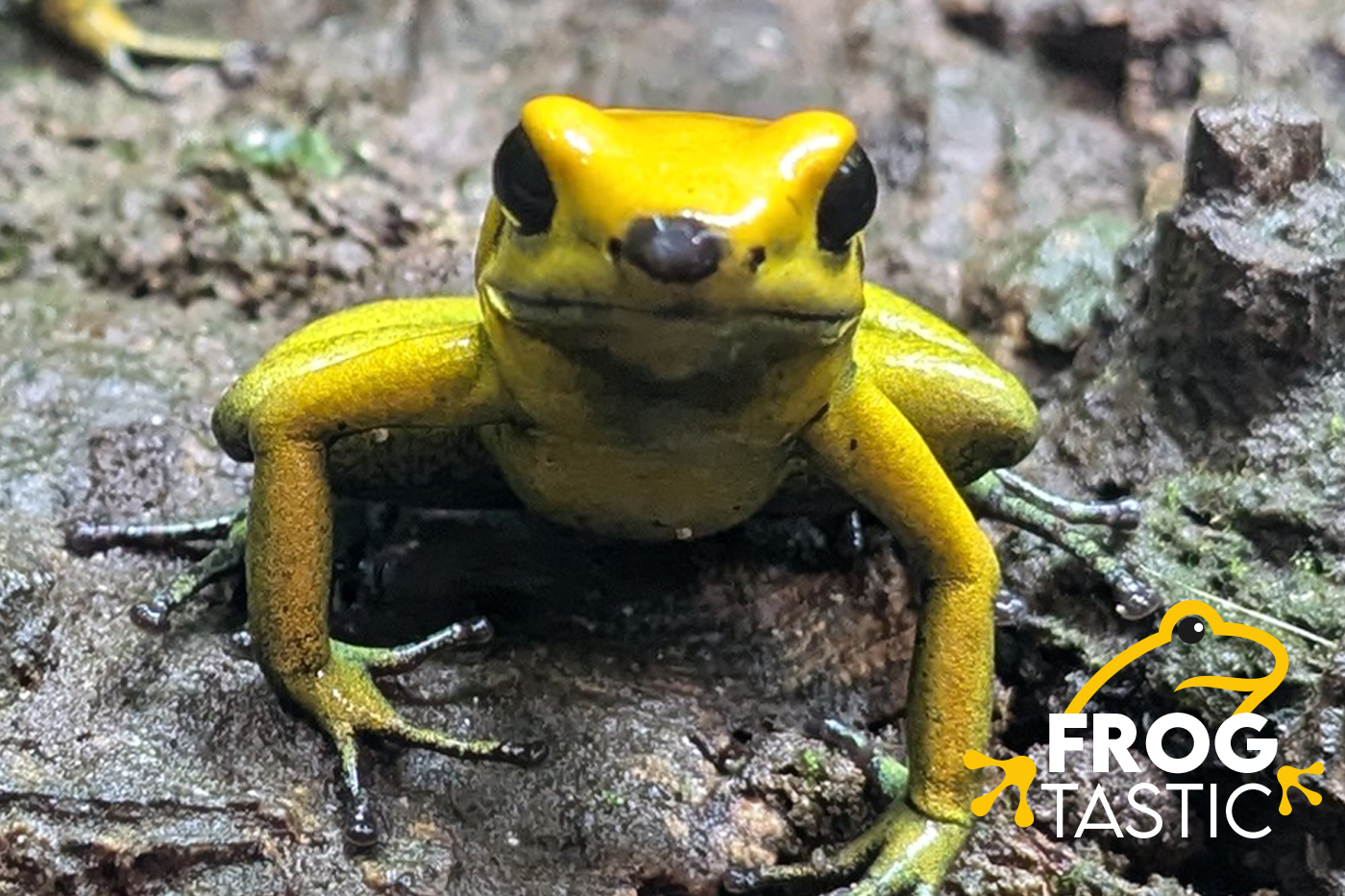
A Tiny Frog’s Big Problem
When you picture a dart frog, you probably imagine a confident little amphibian bouncing around its lush terrarium. But even the mightiest dart frogs have their Achilles’ heel—or rather, their Achilles’ snout. Let’s talk about the “dart frog nose rub,” a quirky but serious issue that can turn your vibrant hopper into a red-nosed reindeer wannabe.
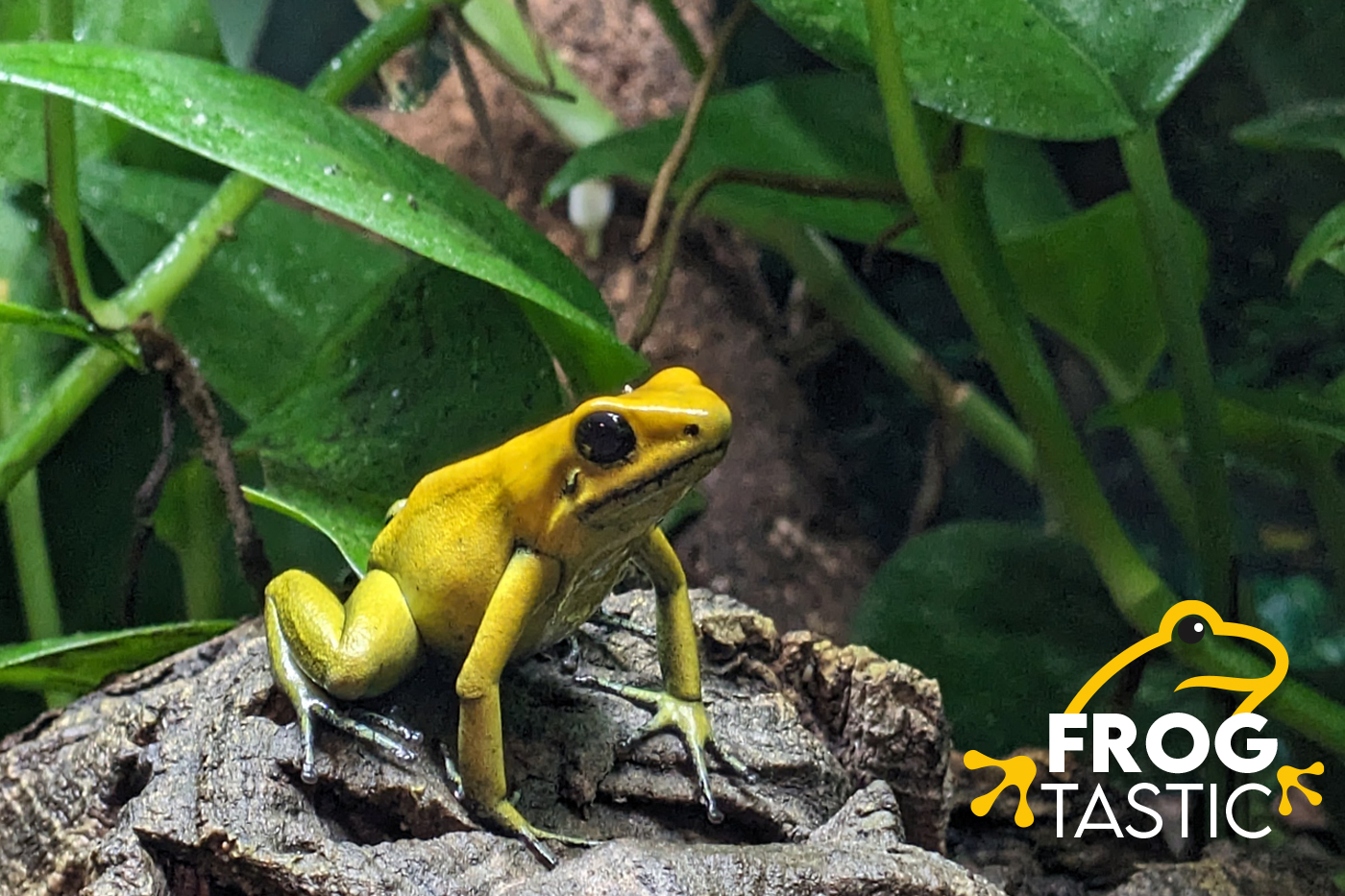
Creating the Perfect Dart Frog Habitat
Dart frogs are small, colorful, and quirky little critters that thrive in tropical environments. If you’re reading this, you’re likely either a new dart frog owner, a seasoned enthusiast, or someone who’s still trying to convince their significant other that “just one more terrarium” is a reasonable request (I see you—solidarity).
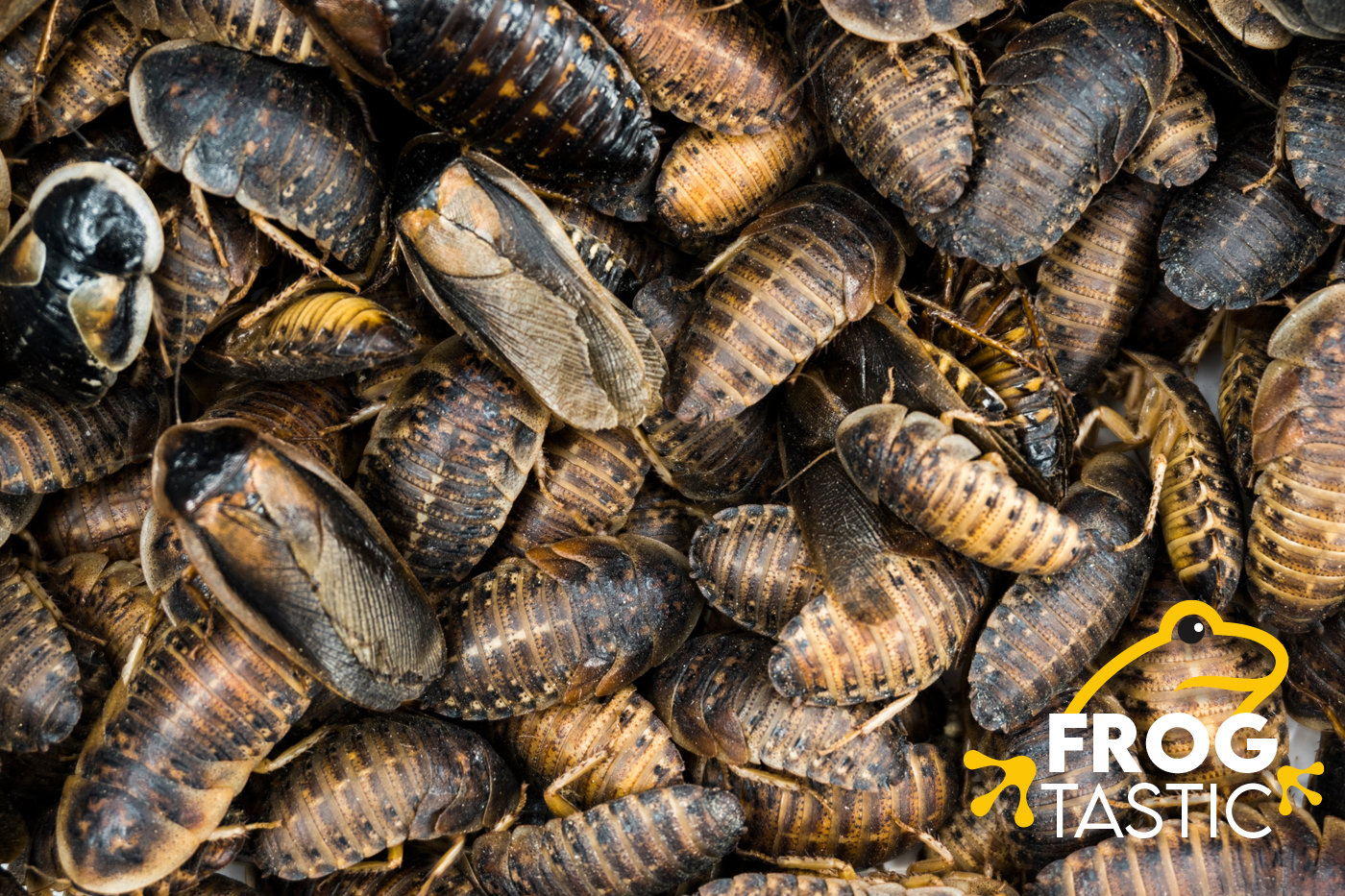
Dubia Roaches
When it comes to feeding your reptiles or amphibians, Dubia roaches are the unsung heroes of the feeder bug world. Sure, they may not win any beauty contests (or popularity ones, thanks to their cockroach cousins), but these little critters are nutritional powerhouses, easy to care for, and oddly satisfying to breed. Let’s dig into why Dubia roaches deserve more respect—and a spot on your pet’s menu.
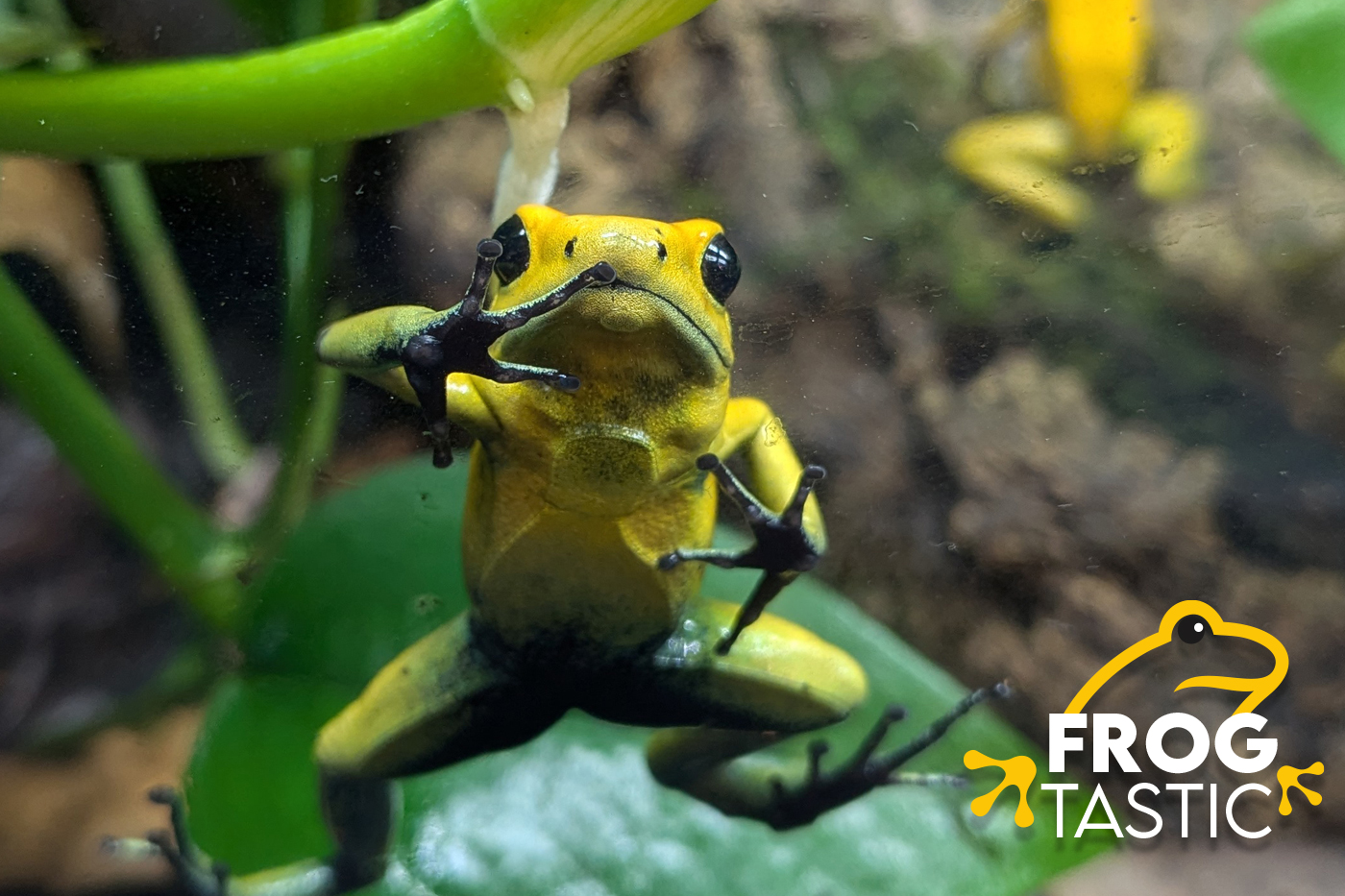
Dart Frog Habits Explained
If you’ve ever owned a dart frog, you might know the unsettling yet endearing feeling of being stared down by a creature no bigger than a quarter. It’s like they’ve uncovered your darkest secrets—or maybe they’re just judging your choice in Netflix shows. Either way, dart frogs seem to have an uncanny knack for piercing through your soul with those bulging, unblinking eyes. But what’s really going on behind that glassy gaze? Let’s dive into the quirks of dart frog behavior, bust some myths, and decipher why your little hopper seems so intense.

Mike Tyson vs. the Golden Poison Dart Frog?
Ladies and gentlemen, boys and girls, critter enthusiasts and fight fans, welcome to the ultimate (and hypothetical) showdown: Mike Tyson, boxing legend and knockout artist, versus the golden poison dart frog, the pint-sized powerhouse of the rainforest. It’s the clash of fists versus toxins, muscles versus mucus. Place your bets—but first, let’s break it down.
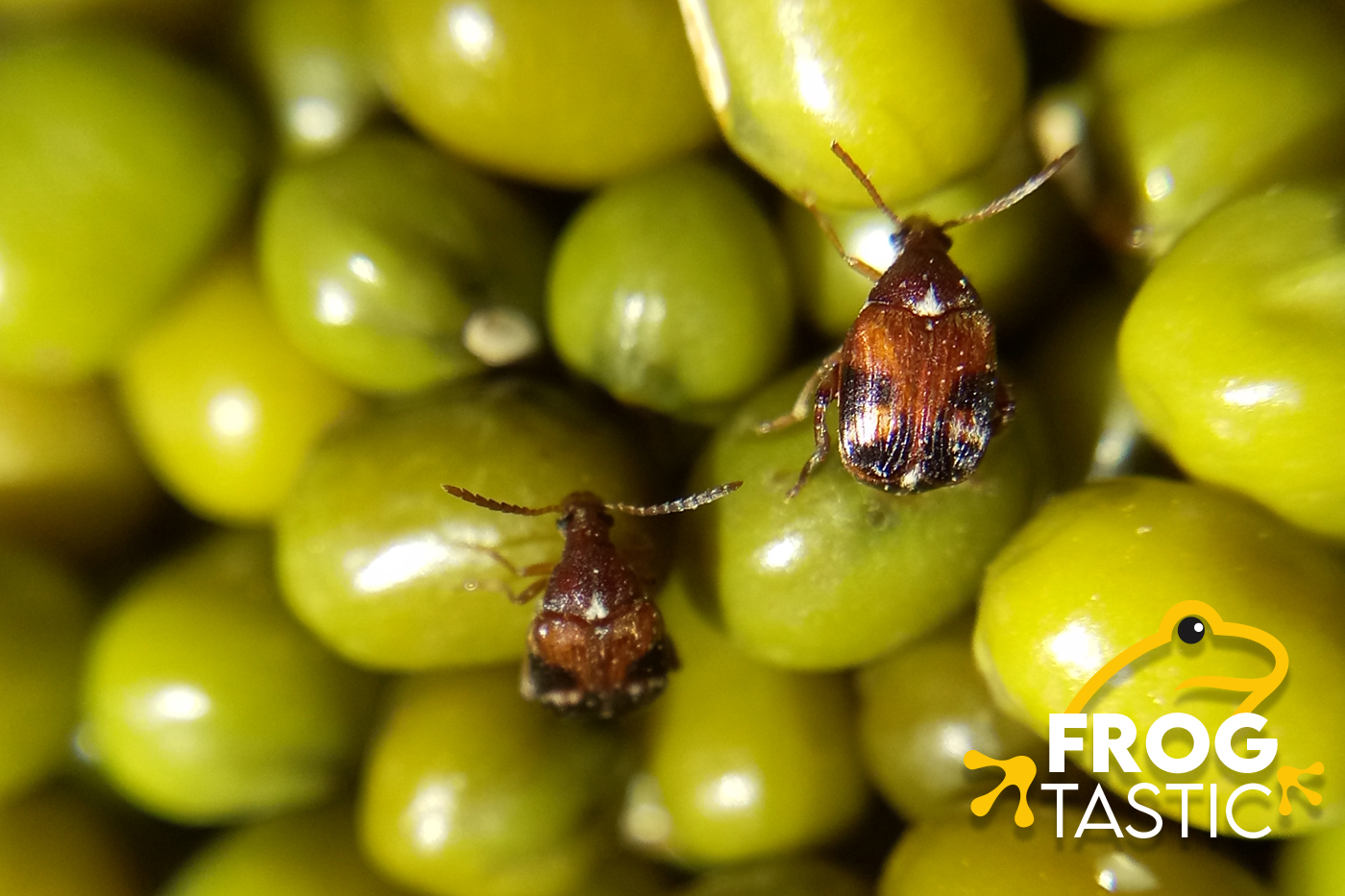
The Perfect Feeder Food for Dart Frogs and Other Pets
When it comes to feeding your dart frogs, small reptiles, or invertebrates, variety is the spice of life. Enter the humble bean beetle—a feeder insect that’s often overlooked but packs a nutritional punch. Easy to culture and rich in protein, bean beetles are an excellent choice for diversifying your pet’s diet. Let’s explore what makes these tiny beetles such a fantastic feeder option!
MorphMarket