

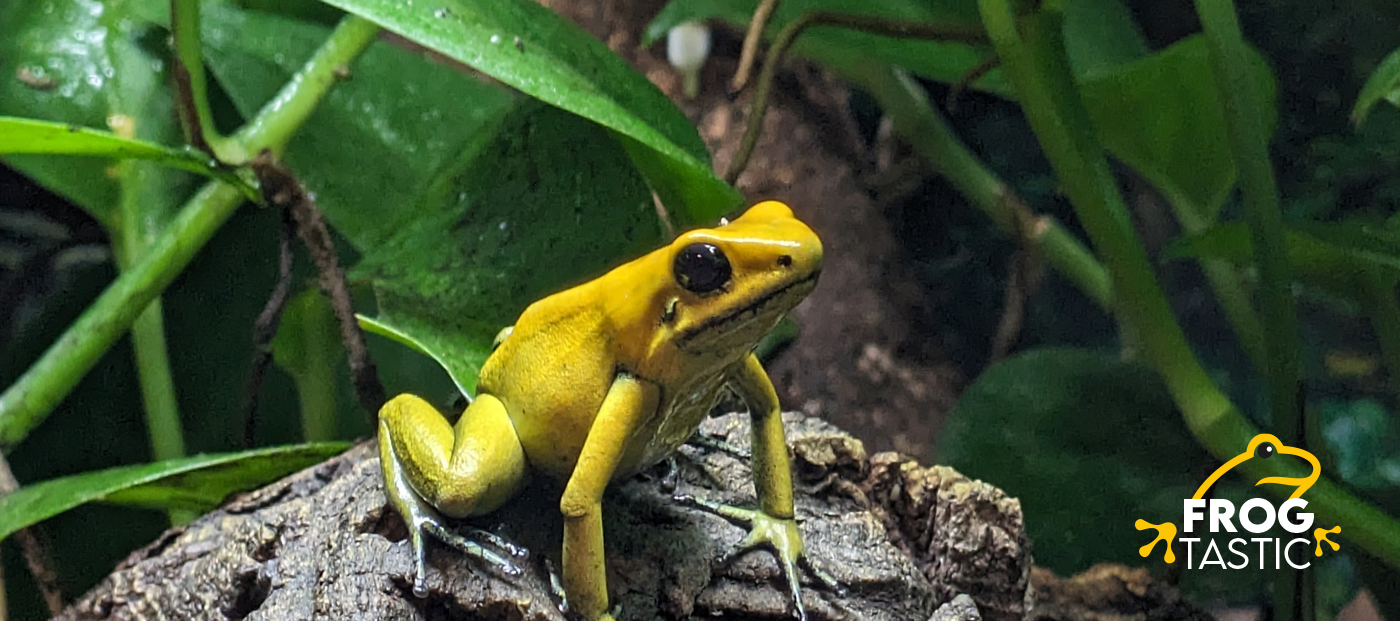
Creating the Perfect Dart Frog Habitat
Dart frogs are small, colorful, and quirky little critters that thrive in tropical environments. If you’re reading this, you’re likely either a new dart frog owner, a seasoned enthusiast, or someone who’s still trying to convince their significant other that “just one more terrarium” is a reasonable request (I see you—solidarity).
Let’s dive into the three biggies of dart frog husbandry: humidity, lighting, and temperature. I’ll sprinkle in tips, debunk a few myths, and, of course, share my opinions because, well, you asked.
Humidity: Welcome to the Jungle
The Truth About the Tropics
First things first: dart frogs aren’t swimming in a rainforest puddle all day, nor are they basking in a cloud of steam like they’re at a tropical spa retreat. Humidity is vital for their survival, but balance is key. Most dart frog species thrive at 70–100% humidity. Aim for 80% as your happy middle ground, and you’re golden.
Myth-Busting Time
- Myth: “I should mist my terrarium every hour for maximum humidity.”
- Reality: Your frogs are not delicate Victorian houseplants requiring constant spritzing. Over-misting can lead to waterlogged plants, mold, and grumpy frogs.
- Myth: “Frogs love a swamp.”
- Reality: Frogs love moisture, not drowning. Your substrate should be damp but not soggy. Think of it like a well-wrung sponge, not a waterbed.
Tips for Maintaining Humidity
- Misting Systems: I swear by automated misting systems because, let’s be honest, I don’t always remember to mist manually. Plus, they make you feel like a tech-savvy biologist.
- Live Plants: These aren’t just pretty; they help regulate humidity. Bonus points if you can keep them alive longer than I keep my coffee plants.
- Drainage Layers: Use a false bottom or drainage layer to avoid a soggy substrate, and add leaf litter on top for that authentic “rainforest floor” vibe.
Lighting: Less is More
Shedding Light on the Subject
Dart frogs don’t need a Broadway spotlight. In fact, they prefer diffused, low-intensity lighting that mimics the dappled sunlight of their native forest canopies. LED lights work perfectly and won’t turn your terrarium into a frog sauna.
Myth-Busting Time
- Myth: “Dart frogs need UVB to survive.”
- Reality: Unlike some reptiles, dart frogs don’t require UVB lighting. However, a low-output UVB bulb (like 2–5%) can benefit plant growth and may help frogs synthesize vitamin D3. Just don’t overdo it.
Tips for Lighting Success
- Day-Night Cycles: Aim for 12 hours of light and 12 hours of darkness. Frogs need beauty sleep too!
- Plant-Friendly Bulbs: Full-spectrum lights designed for plant growth keep your terrarium green and lush, which your frogs will appreciate.
- Avoid Heat Lamps: Your frogs aren’t tiny sunbathers. Heat lamps can dry out the habitat faster than your significant other’s patience when you bring home another critter.
Temperature: Keep It Cool (But Not Too Cool)
Goldilocks Zone
Dart frogs like their temperatures just right—typically between 70–76°F. Too hot, and they’ll stress out. Too cold, and they’ll slow down like a teenager dragged out of bed before noon.
Myth-Busting Time
- Myth: “They need tropical heat.”
- Reality: Tropical does not mean scorching. These frogs live in shaded understories, not sunlit beaches.
- Myth: “Room temperature is fine.”
- Reality: Maybe if you live in a rainforest cabin. Otherwise, you’ll probably need to adjust your setup with a heater or cooling fan depending on the season.
Tips for Temperature Control
- Digital Thermometer: A cheap, accurate thermometer is your best friend. Keep one at substrate level and another higher up to monitor temperature gradients.
- Cooling Tips: If your habitat gets too warm, try a computer fan or place the terrarium in a cooler room. Avoid the fridge—I’ve heard stories.
- Heating Pads: If it’s too chilly, a low-wattage heat mat on the side of the tank (not the bottom!) can work wonders.
My Opinions on the Matter
Let me just say it: overthinking kills the joy. Sure, you want to create the perfect habitat, but remember, dart frogs are hardy little critters if you stick to the basics. Don’t let every minor dip in humidity or temperature send you spiraling. The frogs will forgive you (probably).
Here’s another hot take: ignore anyone who says dart frogs are “easy pets” for beginners. They’re not. They’re worth it, but they’re not easy. If you’re already in the dart frog game, congrats on joining the club of people who can’t resist a challenge—or another frog.
Conclusion: The Holy Trinity
In the end, humidity, lighting, and temperature are your holy trinity for dart frog care. Get them right, and your frogs will thrive, chirp, and give you the occasional glass-sticking stare (looking at you, golden poison dart frog). Balance is everything, and a little trial and error is normal. Just don’t forget to enjoy the process—it’s all part of the froggy fun.
Now, go forth and create that tropical paradise, you amphibian architect, you! And remember: if your frogs are thriving, you’re doing something right. If they’re staring at you like they’re judging your life choices, well… join the club.
Follow Me on Social Media!
Stay connected and dive deeper into the world of dart frogs, tree frogs, and other critter care tips:
🐸 Facebook: facebook.com/VenomousFrogs/
🎥 YouTube: youtube.com/@Frog-Tastic
📸 Instagram: venomousfrogs
Join the community and share your love for these amazing amphibians! 🌿