

Moisture, Substrate, and Habitat Hacks
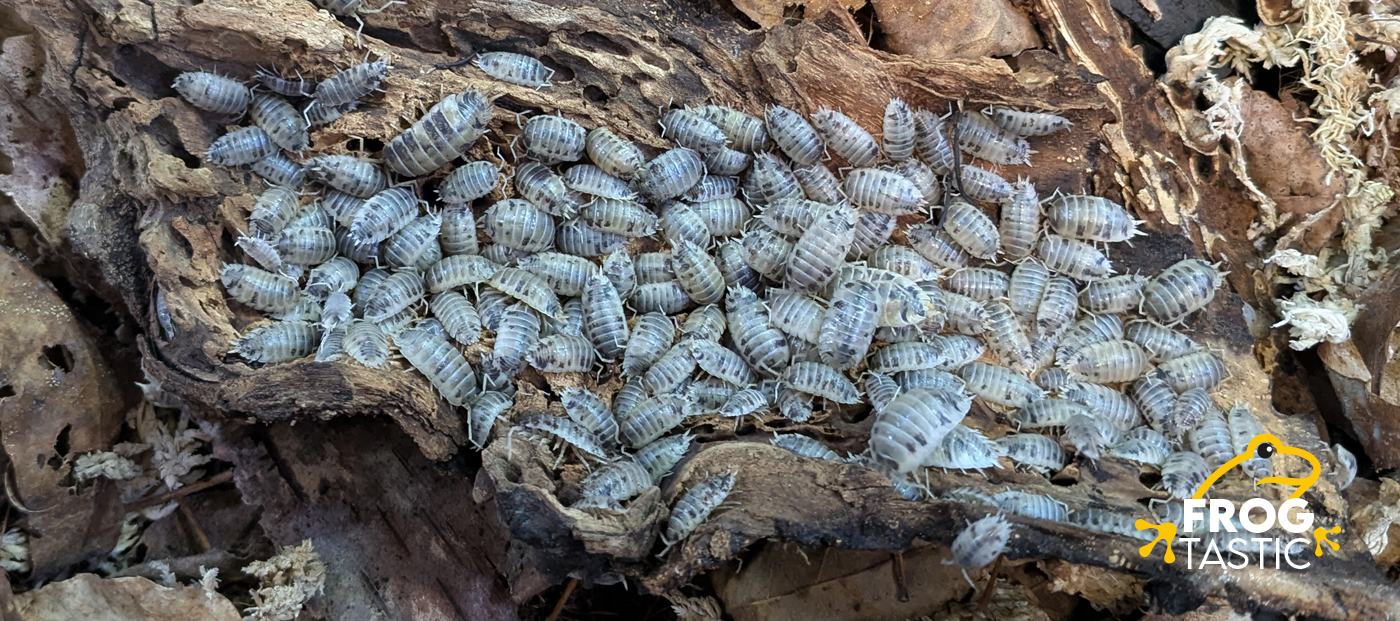
Are you ready to dive into the wonderful world of isopods? These tiny crustaceans may not wear capes, but they’re the unsung heroes of your terrarium. Setting up a proper isopod habitat isn’t rocket science, but there’s a bit more to it than tossing some dirt in a box and calling it a day. From moisture management to the perfect substrate recipe, this guide will help you keep your roly-polies rolling in style.
Moisture: More Than a Spritz
Moisture is the cornerstone of an isopod's life. These little guys breathe through gill-like structures, so a dry environment spells disaster. Aim for a humidity level between **60-80%**, depending on the species.
Pro Tip: Use a spray bottle to mist the habitat daily, but don’t overdo it. Isopods love moist soil, not a swamp.
Divide the enclosure into a moist side and a dry side—isopods are like house guests who always want options. Add leaf litter or sphagnum moss to the moist side for extra water retention.
Substrate: The Royal Bedding
Think of substrate as the luxurious mattress your isopods deserve. A good mix includes:
Coconut Coir: Holds moisture like a sponge.
Topsoil (organic and chemical-free):Provides a sturdy base.
Leaf Litter: Snacks and shelter combined—what’s not to love?
Calcium Sources: Crushed eggshells or cuttlebone keep their exoskeletons strong and dapper.
Mix these together like you're baking a crustacean cake, and voilà! Avoid using sand or bark, which can harm your isopods’ delicate legs and underbellies.
Decor and Hideouts
Isopods are shy and prefer dimly lit environments, so give them plenty of hiding spots. Cork bark, rotting wood, and pieces of terracotta make excellent furniture for these little critters. They’ll thank you by turning your tank into a bustling isopod metropolis.
Funny Fact: Ever notice isopods congregating under one piece of wood? It's not a secret meeting; it’s just their favorite humid hangout spot.
Food: A Buffet Fit for a Crustacean
Your isopods are natural recyclers. Offer a steady diet of:
- Leaf litter (oak is a favorite).
- Decaying wood.
- Veggie scraps like zucchini and carrot.
But remember, moderation is key—no one wants a moldy habitat. Remove uneaten food before it turns into a science experiment.
Lighting and Temperature
Keep it simple. Isopods don’t need fancy grow lights or basking bulbs. Room temperature (65–80°F) is perfect. Avoid direct sunlight, or your isopods might feel like they’re in a sauna they didn’t sign up for.
Maintenance: Keep It Fresh
Check humidity levels daily and mist as needed. Spot-clean debris and replace leaf litter regularly. Every few months, give the substrate a refresh—it’s like changing the sheets on their tiny bed.
Conclusion
Setting up a proper isopod habitat is both an art and a science, but it’s incredibly rewarding. A little care goes a long way in ensuring your isopods thrive while keeping your terrarium spotless. Think of them as the ultimate clean-up crew with bonus points for being utterly fascinating.
Happy isopod keeping—now go give your crusty pals the penthouse they deserve!