

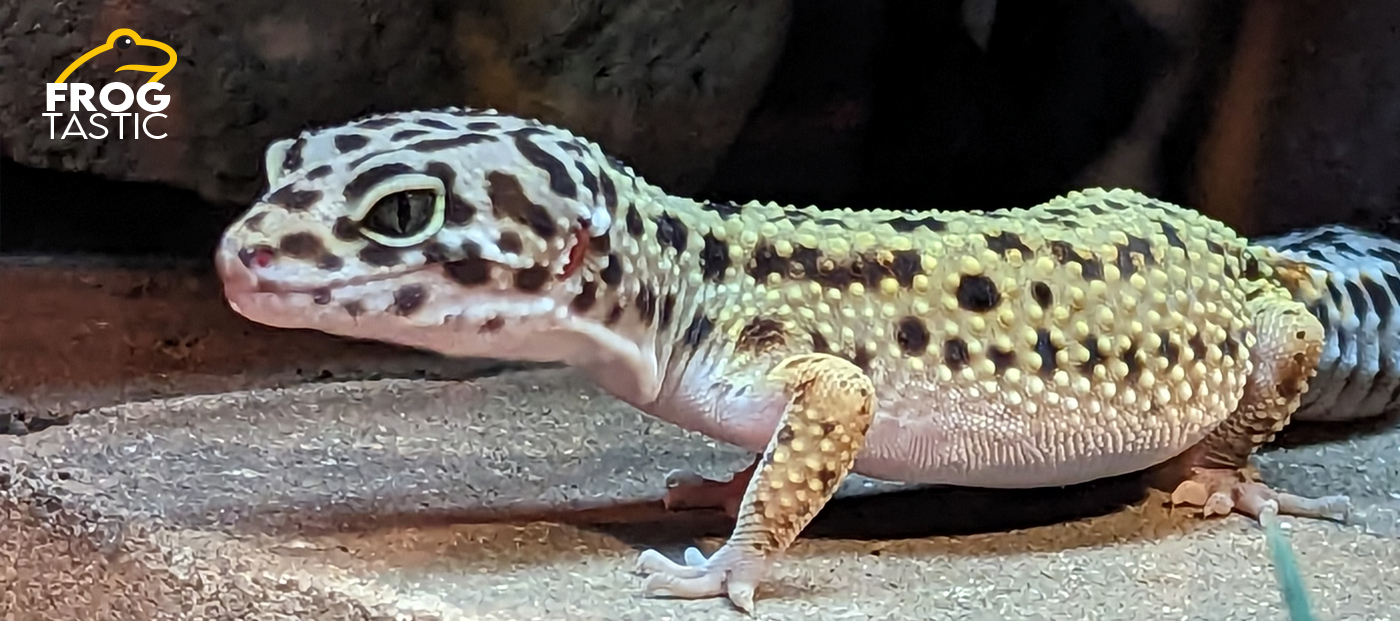
The Complete Guide to Care, Origins, and All the Quirky Fun in Between
So, you’ve decided to bring home a leopard gecko. Congratulations! These little spotted lizards have a lot to offer with their unique looks, low-maintenance care, and gentle personalities. But if you think these guys are just mini dinosaurs in leopard print, well, you're not wrong. Here’s everything you need to know about caring for a leopard gecko—from their origins to heating, feeding, and everything in between.
Origins: Straight Outta the Desert
Leopard geckos, also known as *Eublepharis macularius*, come from the deserts of Afghanistan, Pakistan, Iran, and India. These little critters are desert dwellers who have evolved to thrive in arid, rocky terrain, making them tough, adaptable, and, of course, undeniably charming. For years, leopard geckos were just quietly living their best lives in the desert until reptile enthusiasts decided they were too cute to ignore and brought them into the pet world. And yes, these lizards have been winning hearts (and basking under heat lamps) ever since.
Housing: Your Gecko’s Dream Condo
When it comes to creating the ideal setup, leopard geckos aren’t high-maintenance, but they do have preferences. A 20-gallon tank is typically enough for one gecko, but go bigger if you have the room—they’ll appreciate it. Remember, leopard geckos are ground dwellers, so floor space is more valuable than height. You don’t need a skyscraper setup here; think wide, open-plan design, like a gecko-sized ranch-style home.
Substrate
The great debate among gecko keepers: loose substrate vs. solid substrate. For simplicity’s sake, let’s go with solid, easy-to-clean options like ceramic tile, slate, or even paper towels. Avoid loose substrates like sand, as some leopard geckos have a knack for chomping on it, which can lead to impaction (not a word you want in your gecko care vocabulary). And while reptile carpet might seem convenient, it tends to harbor bacteria and can snag your gecko’s delicate claws—so it’s best to skip it. If you’re aiming for that desert vibe, add some faux rocks and hides to keep your gecko happy and feeling at home.
Heating and Lighting: Your Gecko’s Tanning Spa
Leopard geckos love warmth, so providing a proper heat gradient is essential. They need a warm side around 88-92°F and a cooler side around 70-75°F. An under-tank heater is usually ideal, as it keeps the ground warm without overheating the air. Leopard geckos are crepuscular (a fancy word for saying they're most active at dawn and dusk), so you don’t need UVB lighting. However, a little bit won’t hurt and can help promote natural behaviors.
Always have a thermometer on both the warm and cool sides of the tank to keep things just right. Too hot or too cold, and your gecko might throw a fit (in their own little, silent way).
Feeding: Feasting Like a Tiny T-Rex
Leopard geckos are insectivores, meaning they only eat insects. No salads here, folks! They’ll munch on crickets, mealworms, and dubia roaches like it’s the world’s smallest all-you-can-eat buffet. As a general rule, feed young geckos every day and adults about three times a week. Dust those bugs with calcium powder and a bit of vitamin D3 to keep their bones strong and healthy. Remember, in the world of gecko nutrition, a little supplement shake goes a long way.
Want to spice up mealtime? Try the occasional waxworm as a treat. But watch out—they’re the junk food of the gecko world. Give too many, and your leopard gecko may start getting a little, well, chunky.
The Tail-Wagging Hunt
One of the leopard gecko’s most charming quirks is its tail-shaking hunting ritual. When a leopard gecko spots a tasty insect, it hones in like a miniature, scaly ninja. Just before it pounces, the gecko does a little shimmy—its tail starts to twitch, then shakes rapidly, like a maraca with serious intent! This tail shake is both adorable and practical. Experts believe it may be a way to signal focus and excitement or even to distract prey. Either way, it’s a surefire sign that a snack is about to meet its end. So, next time you see your gecko shaking its tail, you know it’s in predator mode and a cricket or mealworm is about to get chomped!
Shedding: Out with the Old Skin
Leopard geckos shed their skin every few weeks, and they’re very private about it. One day they’re flaunting fresh skin, and the next, they’re like, “New skin, who dis?” Young geckos shed more frequently, while adults do it about once a month. When it’s shedding time, you might notice them looking a bit dull or even see some loose skin. Don’t worry—they know what to do.
To make the process easier, provide a “humid hide” (a little moist cave filled with sphagnum moss or damp paper towel) to help them with shedding. Stuck skin on toes or tails can be a real nuisance, so check those areas and gently help if needed.
Handling: How to Bond with Your Spotty Friend
Leopard geckos are known for their chill personality, but handling takes a little finesse. Start with short sessions, letting your gecko get used to you. Once they’re comfortable, they’ll likely tolerate being held, though every gecko is unique. Pro tip: don’t grab or startle them. Instead, let them climb into your hand or gently scoop them up. Also, avoid the tail area! Leopard geckos can drop their tails if they feel threatened (like a lizard eject button). Luckily, it’ll grow back, but it’s a bit of a process, so let’s avoid the drama.
Wrapping Up
Leopard geckos are hardy, easygoing pets that offer tons of personality in a small package. Whether they’re stalking a cricket, shedding their skin, or just chilling under a warm rock, these geckos bring a little bit of the desert into your home—without the sandstorms or heat waves. By providing them with the right habitat, diet, and care, you’ll have a happy gecko ready to charm your socks off for years to come.